
Table of Contents
Introduction: The Rise of Smart Homes in Australia
The concept of a smart home Australia has rapidly evolved from futuristic novelty to mainstream reality. Australians are increasingly adopting smart technology to enhance convenience, security, energy efficiency, and entertainment within their homes. With the surge in available products and more affordable pricing, 2025 is shaping up to be a pivotal year for smart home adoption. This comprehensive guide will walk you through how to set up smart home systems effectively, explore the best smart home devices 2025, and provide detailed information on costs and installation tips tailored specifically for Australian homes.
Whether you’re a tech-savvy enthusiast or a beginner, this article will equip you with all the knowledge necessary to transform your living space into an intelligent, connected environment that suits your lifestyle.
Related article: Future with AI 10 Years Prediction: Job Replacements and the Future of Work
What is a Smart Home?
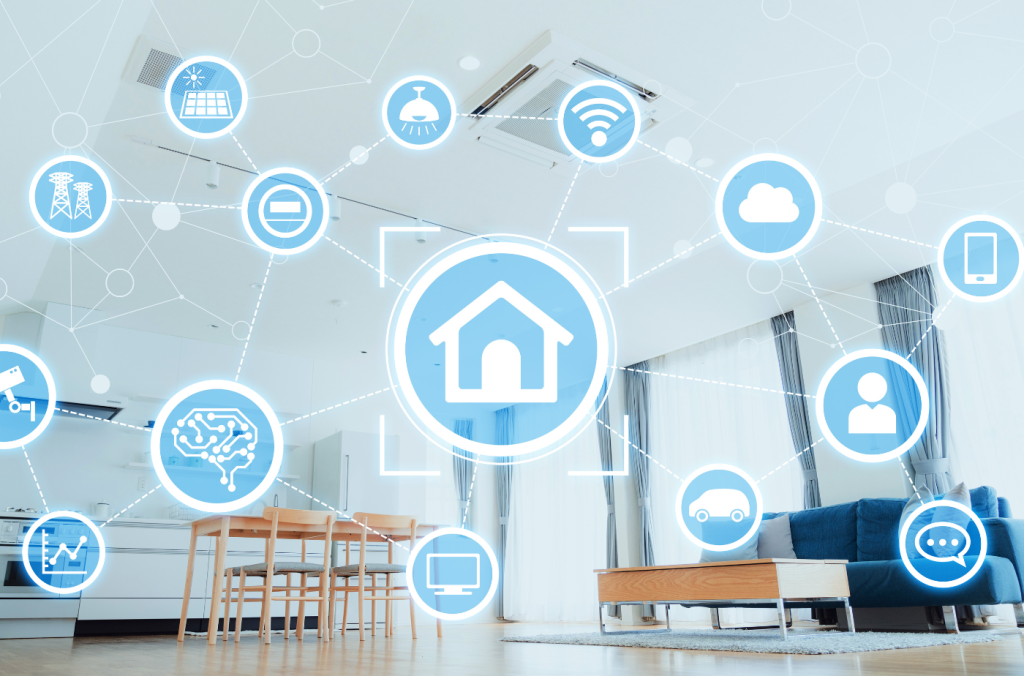
A smart home integrates connected devices and systems that communicate with each other and can be controlled remotely through smartphones, tablets, or voice commands. These devices automate everyday tasks such as adjusting lighting, managing climate, monitoring security, and streaming media, creating a more efficient and comfortable living space.
In the context of smart home Australia, these systems must often be compatible with local networks and power standards, and be adaptable to the Australian climate and lifestyle needs.
Why Build a Smart Home in Australia?
Convenience and Comfort
One of the biggest reasons Australians are investing in smart home Australia setups is convenience. Automated lighting, voice-controlled assistants, and smart thermostats make everyday tasks effortless.
Energy Efficiency and Cost Savings
Smart home devices can monitor and manage energy use, optimizing heating, cooling, and lighting. This feature is especially important in Australia, where energy costs can be high, and the climate varies widely across regions.
Enhanced Security
Smart security systems with cameras, motion sensors, and smart locks provide peace of mind by allowing real-time monitoring and alerts. Homeowners can keep an eye on their property from anywhere, ensuring safety even when away.
Increased Property Value
Homes equipped with smart technology tend to have higher market appeal. Prospective buyers in Australia increasingly consider smart home features a valuable addition.
Key Components of a Smart Home Australia
To build an effective smart home Australia, you need a solid understanding of the components that make up the system. Here are the core devices and platforms to consider:
1. Smart Hubs and Voice Assistants
A central hub or voice assistant acts as the control center, coordinating communication between devices. Popular options compatible in Australia include:
- Amazon Echo (Alexa)
- Google Nest Hub
- Apple HomePod (Siri)
These hubs enable how to set up smart home systems easily by consolidating device control via a single app or voice commands.
2. Smart Lighting
Smart bulbs, switches, and lighting strips allow you to customize ambiance, schedule lighting, and even simulate occupancy for security.
3. Smart Thermostats
Climate control is crucial in Australian homes due to varied weather. Smart thermostats learn your schedule, adjust temperatures, and can be controlled remotely to save energy and maintain comfort.
4. Security Devices
Smart cameras, doorbells with video, window and door sensors, and smart locks form an integrated security network. These devices provide alerts and live feeds to your phone, enhancing home safety.
5. Smart Appliances
Refrigerators, washing machines, ovens, and other appliances with connectivity features provide remote monitoring and operation, helping with efficiency and convenience.
6. Entertainment Systems
Smart TVs, speakers, and streaming devices create immersive entertainment experiences, often controllable via voice or app.
Best Smart Home Devices 2025: What to Consider
The market for smart devices is vast and continuously evolving. Here’s a rundown of the best smart home devices 2025 suited for Australian homes:
Smart Hub: Amazon Echo Show 15
With a large display and Alexa voice assistant, this device acts as a family command center — perfect for coordinating schedules, controlling devices, and streaming entertainment.
Smart Lighting: Philips Hue
The Philips Hue ecosystem remains a leader in smart lighting, offering a wide range of bulbs and accessories that work seamlessly with multiple hubs.
Thermostat: Google Nest Learning Thermostat
Optimized for energy savings and remote control, the Nest thermostat is excellent for managing Australian home climates.
Security: Arlo Pro 4 Camera System
Arlo offers reliable wireless cameras with high-definition video, night vision, and weather resistance—ideal for Australian conditions.
Smart Lock: August Wi-Fi Smart Lock
Compatible with multiple platforms and easy to install, August’s smart lock enhances door security with remote access.
Entertainment: Apple TV 4K (2022)
Supporting 4K streaming, Apple TV integrates well with HomeKit and is a staple in Apple-centric smart home Australia setups.
How to Set Up Smart Home in Australia: Step-by-Step Guide
Setting up your smart home doesn’t have to be overwhelming. Here’s a practical how to set up smart home guide tailored for Australian users:
Step 1: Plan Your Smart Home Ecosystem
Determine which areas of your home you want to automate (lighting, security, climate) and select a central hub (Alexa, Google, or Apple).
Step 2: Check Network Infrastructure
A reliable Wi-Fi network is essential. Consider upgrading your router or adding mesh systems for comprehensive coverage.
Step 3: Start With a Hub and Basic Devices
Begin by installing your smart hub and linking basic devices like smart bulbs and plugs. Use the manufacturer’s app to pair devices and customize settings.
Step 4: Expand to Security and Climate Control
Add smart cameras, locks, and thermostats next. Test alerts and remote access features to ensure they function as expected.
Step 5: Integrate Smart Appliances and Entertainment
Add smart TVs, speakers, and compatible appliances, integrating them into your hub for seamless control.
Step 6: Customize Automations and Scenes
Create routines such as “Good Morning” or “Away Mode” that automate multiple devices simultaneously, enhancing convenience.
Step 7: Regularly Update Software and Firmware
Keep devices secure and functioning optimally by applying updates promptly.
Costs of Building a Smart Home in Australia
Building a smart home Australia can range widely in cost depending on the devices chosen and the extent of automation desired. Here’s a rough estimate for popular components:
| Device Type | Price Range (AUD) |
|---|---|
| Smart Hub (Echo, Nest) | $100 – $300 |
| Smart Bulbs (per bulb) | $30 – $80 |
| Smart Thermostat | $250 – $500 |
| Security Cameras (each) | $150 – $500 |
| Smart Locks | $300 – $600 |
| Smart Appliances | $500 – $3,000+ (varies) |
| Mesh Wi-Fi Systems | $250 – $800 |
On average, setting up a basic smart home Australia system costs around $1,000 to $3,000, with more extensive setups reaching higher depending on brand and integration complexity.
Tips for Successful Smart Home Setup in Australia
- Compatibility: Ensure all devices are compatible with your chosen hub and Australian power standards.
- Local Support: Opt for brands with Australian customer service and warranty coverage.
- Security: Use strong passwords, enable two-factor authentication, and segment smart devices on a separate network.
- Energy Rebates: Check for government incentives on energy-efficient smart devices.
Common Challenges and How to Overcome Them
- Connectivity Issues: Use Wi-Fi extenders or mesh systems to eliminate dead zones.
- Device Overload: Don’t rush to buy everything at once; build your system gradually.
- Learning Curve: Invest time in tutorials and community forums to understand features fully.
Future of Smart Home Technology in Australia
The best smart home devices 2025 will feature deeper AI integration, improved interoperability, and more energy-efficient designs. Voice assistants will become more context-aware, and smart homes will increasingly sync with electric vehicles and solar power systems, creating a holistic ecosystem.
Conclusion
Building a smart home Australia is an achievable goal that offers numerous benefits including convenience, security, energy savings, and enhanced lifestyle. By choosing the best smart home devices 2025 and following a structured how to set up smart home approach, Australians can create connected homes that fit their unique needs and budgets.
Embrace the smart home revolution today to enjoy a futuristic living experience tailored perfectly for the Australian way of life.