
Table of Contents
Introduction: A Turning Point for Australia’s Economy
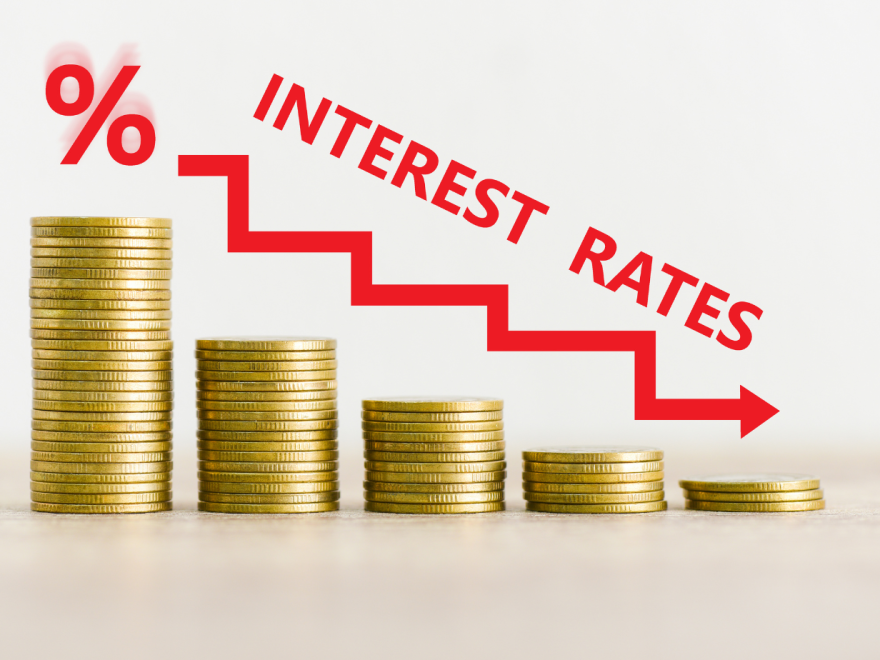
In 2025, Australia’s financial landscape is undergoing a notable shift. Following several months of sluggish retail activity and subdued consumer confidence, the Reserve Bank of Australia (RBA) announced a significant interest rate cut—lowering the official cash rate to 3.85%. While some economists anticipate further reductions, this move has already triggered waves across households, markets, and policy debates.
This article dives deep into what the Australia interest rate cut means for consumers, investors, and the broader economy. We’ll explore how it impacts mortgage holders, savers, business owners, and sentiment on the ground.
Related article: Gold Price Prediction – Future Gold Price Forecast 2025
Why Did the RBA Cut Interest Rates?
The RBA’s decision stems from a mix of domestic underperformance and global headwinds. Consumer spending has remained weak throughout the year, despite stable employment rates and modest wage growth. May’s retail sales rose just 0.2%—far below market expectations—indicating that households are still hesitant to spend.
Meanwhile, inflation is easing but still lingers above the ideal target range, driven more by global energy prices and supply chain volatility than local demand.
To counterbalance these effects, the central bank opted to reduce the cash rate. The goal? Stimulate borrowing, support housing affordability, and encourage both households and businesses to inject more cash into the economy.
How Does the Interest Rate Cut Affect Households?
1. Mortgage Relief for Homeowners
Perhaps the most immediate benefit of a rate cut is seen by mortgage holders. For Australians with variable-rate home loans, the latest drop in rates can mean lower monthly repayments. On a $600,000 mortgage, even a 25 basis point cut could result in saving over $80 per month—adding up to nearly $1,000 a year.
This extra cash in consumers’ pockets could translate into higher spending, which is exactly what the RBA hopes for. However, banks vary in how much of the cut they pass on, and the full benefit may not reach every household.
2. Prospects for First-Time Home Buyers
Lower interest rates generally mean better borrowing power. This creates a more favorable environment for first-time buyers, as monthly repayments become more manageable. However, higher demand for property could lead to a rebound in house prices, especially in major cities like Sydney and Melbourne, which may partially negate the benefits of cheaper loans.
3. Strain on Savers and Retirees
On the flip side, the interest rate cut is bad news for savers. Those relying on interest from term deposits or savings accounts—especially retirees—will see a reduction in their income streams. This could encourage riskier investments in search of better returns, or it may push older Australians to reduce spending, potentially weakening the broader economic boost intended by the rate cut.
Related article: Budgeting Tips – How to Budget Money
Consumer Sentiment: Optimism or Caution?
Australian consumers are split in their reactions. While some see the rate cut as a reason to be optimistic—particularly those with mortgages or business loans—others remain cautious.
Recent surveys show that while financial confidence ticked up slightly after the announcement, many households remain hesitant to spend. The cost-of-living crisis, rising utility prices, and global economic uncertainty still weigh heavily on Australians’ minds.
As one consumer told a local news outlet, “Sure, my mortgage payment dropped a little. But everything else—groceries, fuel, insurance—still costs more every month.”
How the Rate Cut Impacts Small Businesses
1. Easier Access to Finance
For small businesses, lower interest rates can mean more affordable loans, equipment financing, or credit lines. This could be a golden opportunity for entrepreneurs to invest in growth—whether that’s expanding inventory, hiring staff, or upgrading technology.
2. Increased Consumer Spending = More Sales
If households do begin spending more due to lower debt repayments, this could boost revenue for small-to-medium-sized enterprises (SMEs), particularly in retail, hospitality, and services.
However, business owners are also contending with rising operational costs. The benefit of increased consumer demand may be offset by inflationary pressures on wages, rent, and shipping.
Investors and Markets: What’s the Ripple Effect?
1. A Boost to the Share Market
Stock markets often react positively to rate cuts, as lower borrowing costs help businesses expand and increase profitability. Indeed, the Australian Securities Exchange (ASX) hit new highs in the days following the RBA’s announcement.
Investors are pivoting toward growth stocks, tech shares, and even dividend-paying equities, as the return on cash savings becomes less attractive.
2. Bonds and Fixed-Income Assets
Bond markets typically benefit when rates drop, since bond prices rise as yields fall. However, new bond buyers will have to settle for lower interest returns. This dynamic makes fixed-income less attractive relative to equities, at least in the short term.
3. Property Investment
For property investors, lower rates reduce the cost of servicing investment loans, improving yield potential. But again, any major uptick in demand may push prices higher and reduce entry points for new investors.
Will More Rate Cuts Follow?
Some analysts predict another rate cut by the end of Q3 2025, especially if inflation continues to slow and retail indicators remain weak. Others believe the RBA will pause to assess the impact of recent changes before taking further action.
The key metrics to watch include:
- Consumer confidence indices
- Monthly retail sales data
- Inflation and wage growth
- Housing market activity
Related article: The 7 Best Tech Side Hustles in 2025 That Anyone Can Start
Global Implications of Australia’s Monetary Shift
Australia isn’t acting in isolation. Central banks around the world—from the U.S. Federal Reserve to the European Central Bank—are reassessing monetary policy in light of evolving economic conditions.
Australia’s interest rate cut could influence foreign exchange markets, making the Australian dollar less attractive to international investors and increasing the cost of imports. On the positive side, this could benefit exporters, tourism, and international education providers.
Final Thoughts: What Should Consumers and Investors Do?
Australia’s interest rate cut opens a new chapter in the country’s economic story. Whether you’re a homeowner, a business owner, or an investor, it’s important to stay informed and adapt your strategy accordingly.
For Households:
- Review your mortgage and refinance if better rates are available.
- Build a buffer with extra savings or debt repayments while rates are low.
- Be cautious with spending until inflation stabilizes.
For Businesses:
- Consider investing in growth or efficiency improvements.
- Monitor changes in consumer demand closely.
- Use the opportunity to secure lower-interest finance if needed.
For Investors:
- Rebalance your portfolio to account for changing interest rates.
- Explore equities or alternative assets with strong growth potential.
- Keep an eye on global markets for ripple effects.
Conclusion
The Australia interest rate cut is more than a monetary tweak—it’s a signal of the times. As the economy adjusts to new pressures and possibilities, consumers and businesses alike have the chance to recalibrate, adapt, and potentially thrive.
The next few months will be crucial in determining whether lower interest rates can reignite growth and confidence across the nation. In the meantime, staying agile, informed, and strategic will be your greatest asset.